
Ghana is a signatory to the Sustainable Development Goals (SDGs), and under Goal 5.3, the country has committed to eliminating all harmful practices, including child marriage, by 2030. This commitment reflects our national obligation to safeguard the rights, dignity, and developmental prospects of every child.
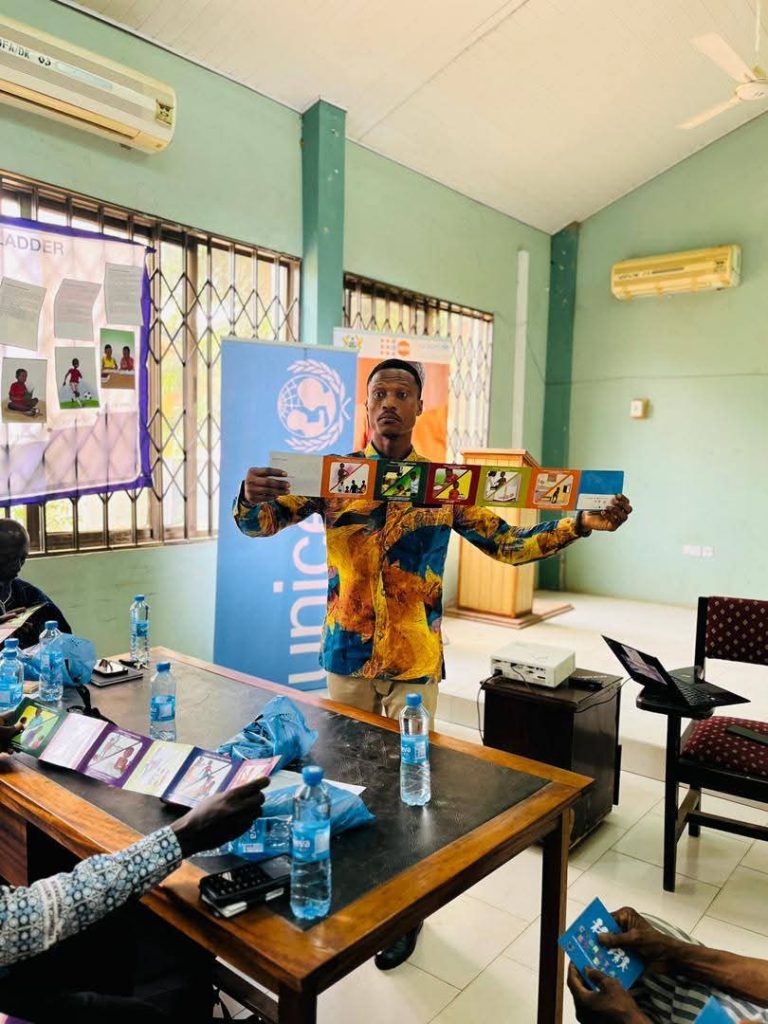
While the Eastern Region has recorded measurable progress in addressing child marriage, the Afram Plains presents a distinctive and complex narrative. Despite being a land of enormous agricultural and socio-economic potential, the area remains significantly disadvantaged in infrastructure, access to services, and institutional reach. In many respects, entrenched socio-cultural norms appear to operate with limited regulatory restraint, creating an environment where harmful practices persist.
Available data indicate a troubling upward trend in reported cases of child marriage. Cases increased from 12 to 17 in 2023—representing a 41.7% rise—and further escalated from 17 to 26 in 2024, marking an additional 52.9% increase. This steady progression signals not only persistence but acceleration, underscoring the urgency for targeted, context-specific interventions in the Afram Plains.
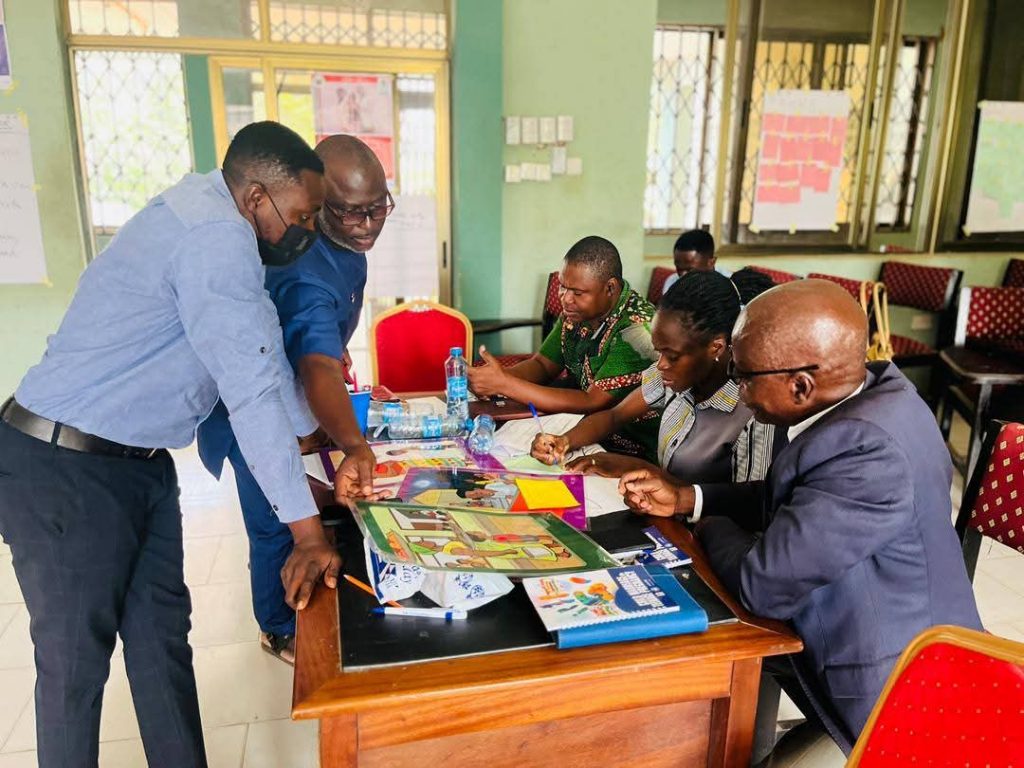
In response to this trajectory, the Department of Community Development Vera Boye Department of Community Development of the Eastern Regional Coordinating Council (ERCC) Eastern Region Co-ordinating Council, over the past two days, convened a strategic engagement with key social actors across the Afram Plains. Participants included traditional authorities, religious leaders—pastors, elders and imams—community influencers, and other stakeholders whose roles are pivotal in shaping norms and safeguarding children.
The discussions focused on practical strategies and culturally responsive pathways to prevent child marriage, strengthen community-level prevention systems, and reinforce enforcement and accountability mechanisms.
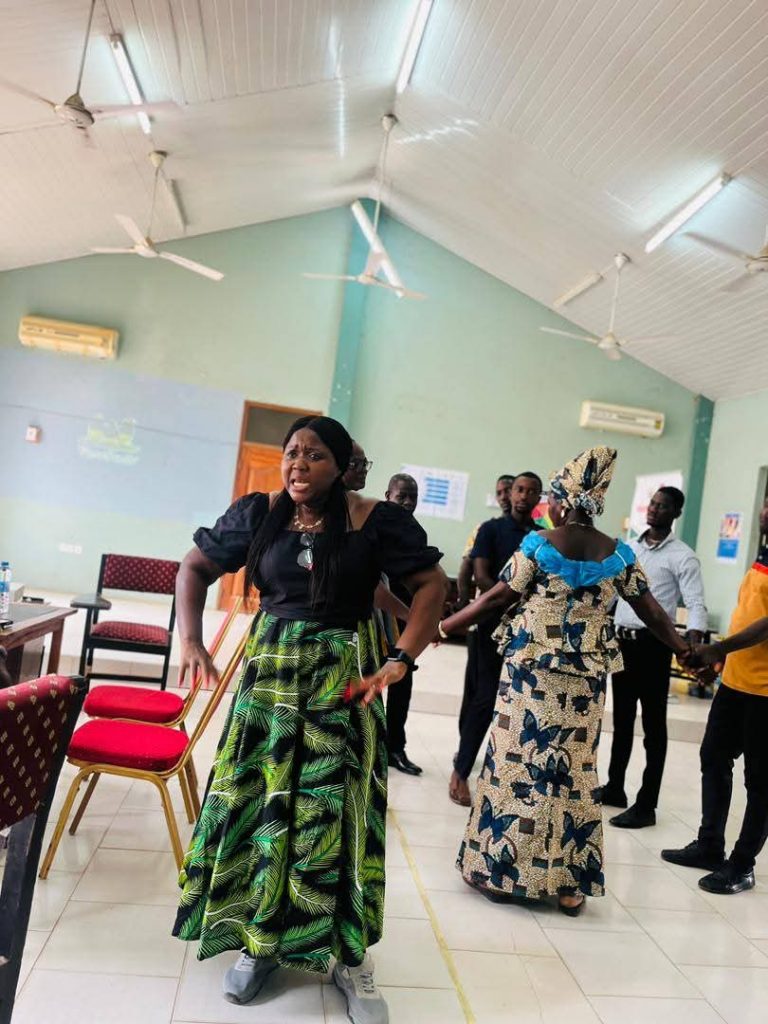
Sustainable progress will require coordinated, multi-sectoral action—strengthened enforcement of child protection laws, intensified public education, economic empowerment of vulnerable households, and sustained leadership from traditional and faith-based institutions.
The message remains clear and uncompromising: Every child must be a child, not a bride.
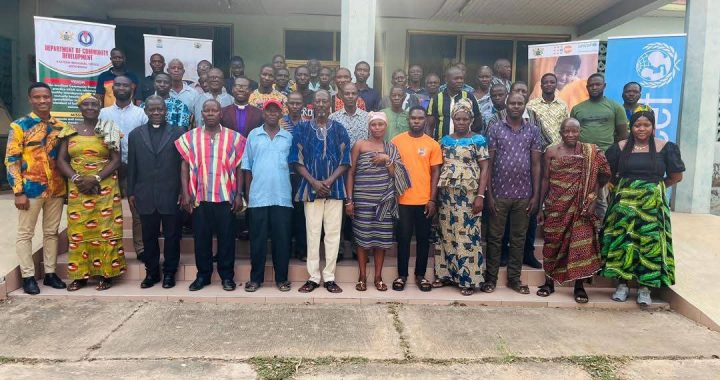
SAY NO TO CHILD MARRIAGES
Posted in Events, General News.