
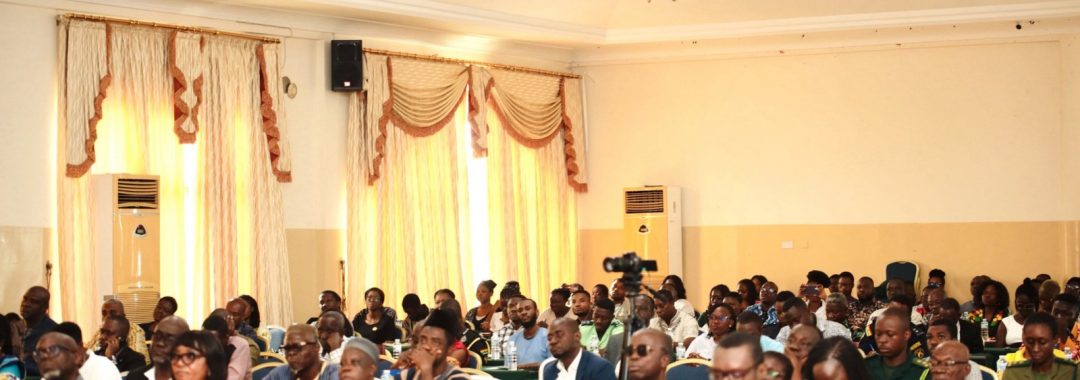
A regional stakeholders’ engagement on the formulation of Ghana’s National Ethics and Anti-Corruption Action Plan (NEACAP) for 2026–2030 has been held in Koforidua in the Eastern Region.
The forum aimed to gather input from various sectors across the region to develop a new anti-corruption strategy, underscoring a shared resolve to tackle the detrimental effects of corruption on national development, public trust, and governance.
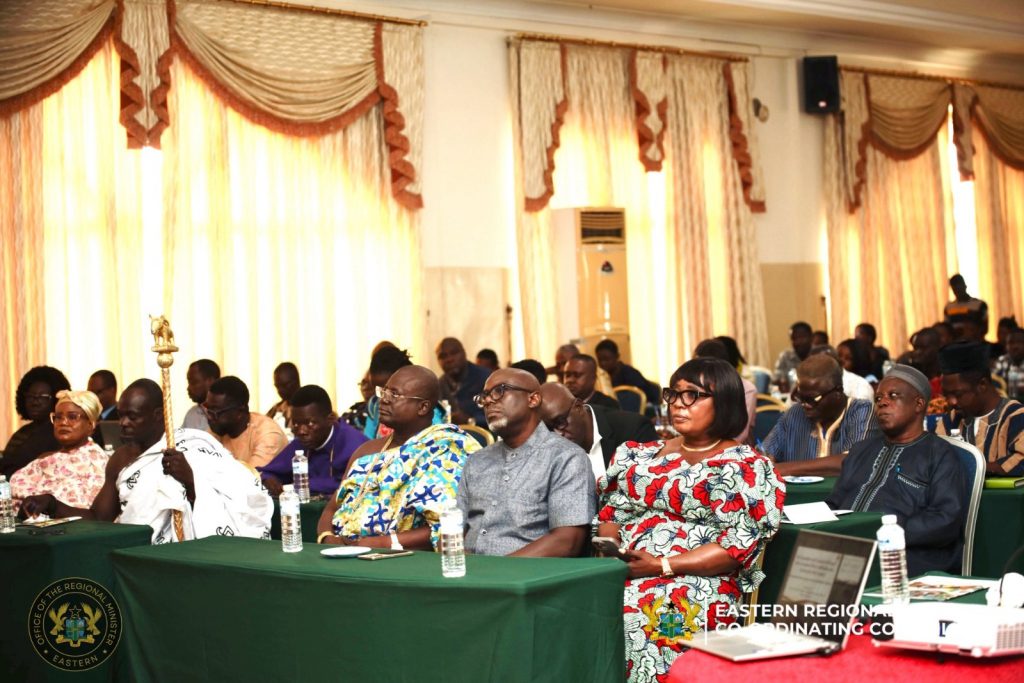
The formulation of NEACAP 2026–2030 is seen as a critical step forward in renewing Ghana’s anti-corruption framework, requiring a coordinated approach that engages all citizens.
The new plan is being developed to address the shortcomings of the previous one, which ran from 2015 to 2024.
The Eastern Regional Minister, Mrs. Rita Akosua Adjei Awatey, said corruption remains a significant impediment to Ghana’s progress, diverting resources from crucial services and eroding public confidence.
She expressed the government’s commitment, under President Mahama’s leadership, to developing and implementing the new NEACAP through an inclusive process. The Regional Minister pledged the Eastern Regional Coordinating Council’s support for translating the engagement’s outcomes into actionable strategies at the regional and local levels.
Mrs. Awatey emphasized the importance of collective efforts to combat corruption and foster a culture of integrity and transparency in Ghana.
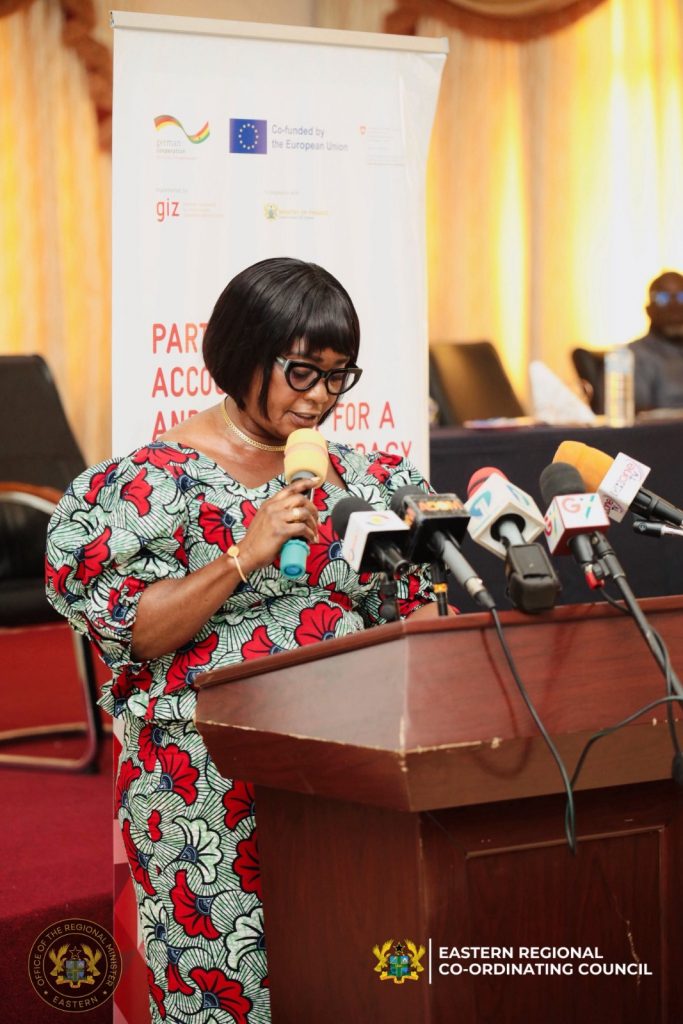
She urged stakeholders at the forum to leverage their varied perspectives to craft a pragmatic and visionary plan that safeguards the public interest and establishes a robust ethical foundation for future generations.
The Chairman of the African Union Advisory Board Against Corruption, Edem Senanu, underscored the significance of ethics in sustaining the anti-corruption initiative.
He noted that one of the critical aspects to which Ghana has not accorded sufficient attention is the issue of ethics.
He stated that corruption continues to siphon resources from essential sectors such as health, education, and infrastructure, thereby stifling development and exacerbating inequality.
Mr. Senanu indicated that the new framework would not only focus on enforcement but also on transforming mindsets and fostering a culture of integrity.
Best online casino experience in the Philippines so far. The customer support is very responsive and helpful with my deposit. Love phcash11casino.